

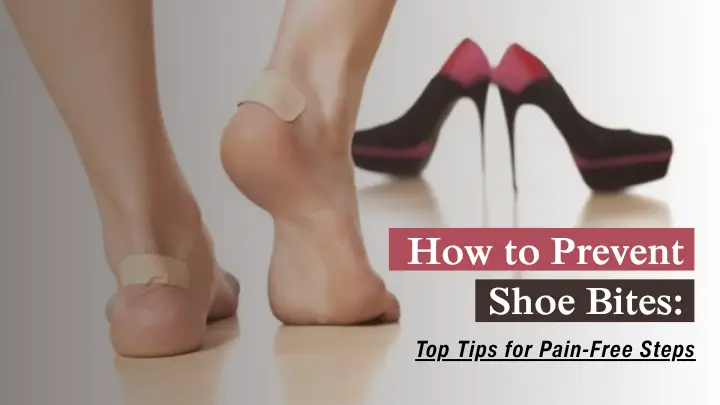
Shoe bites are one of the most common yet frustrating foot problems. Almost everyone has experienced painful blisters or sore spots caused by footwear at some point. Whether it’s new shoes, long walking hours, or poor fit, shoe bites can turn a normal day into an uncomfortable one.
The good news is that shoe bites are completely preventable with the right footwear choices and foot care habits. This guide explains why shoe bites happen, how to prevent them effectively, and what to do to keep your feet comfortable and blister-free.
Shoe bites, commonly known as friction blisters, occur when repeated rubbing between the shoe and skin causes irritation. Over time, this friction leads to redness, pain, fluid-filled blisters, or even open sores.
Shoe bites most commonly appear on:
If ignored, they can worsen and increase the risk of infection.
Understanding the cause helps prevent the problem before it starts. The most common reasons include:
Proper fit is the most important factor. Always ensure:
Tip: Try shoes in the afternoon, when feet are slightly swollen and closer to their actual size.
Never wear brand-new shoes for long hours immediately.
This allows the material to adapt to your foot shape.
Protective accessories can make a big difference:
These reduce direct contact and friction between shoes and skin.
Moisture increases friction and blister risk.
Dry feet are far less likely to develop shoe bites.
Material quality affects comfort significantly.
Avoid stiff synthetic materials that trap heat and restrict movement.
If you notice repeated shoe bites in certain spots:
Early prevention is easier than treating blisters later.
Wearing the same shoes daily increases pressure and moisture buildup.
Rotating shoes:
If shoe bites occur frequently, orthotics may help.
Custom orthotics:
They are especially helpful for people with flat feet or foot deformities.
Simple preparation can prevent blisters:
Pain is a warning sign. If discomfort starts:
Ignoring early signs often leads to worse injuries.
If a shoe bite develops:
Natural remedies such as aloe vera or petroleum jelly can soothe irritation.
Preventing shoe bites is not complicated it requires the right footwear, proper fit, and simple foot care habits. By choosing comfortable materials, breaking in shoes gradually, and protecting sensitive areas, you can walk confidently without pain.
Healthy feet support your entire body. When your feet comfortable, your posture, productivity, and confidence improve.
Can shoe bites cause serious problems?
Yes. Untreated shoe bites can lead to infections and prolonged foot pain.
Do socks help prevent shoe bites?
Yes. Moisture-wicking and cushioned socks reduce friction significantly.
How often should shoes be replaced?
Daily-use shoes should be replaced every 8–12 months or when cushioning wears out.
Are home remedies effective for shoe bites?
Yes. Aloe vera, petroleum jelly, and Epsom salt soaks can help soothe irritation.
Written by a footwear content specialist with hands-on experience in foot comfort, shoe materials, and everyday wear performance.